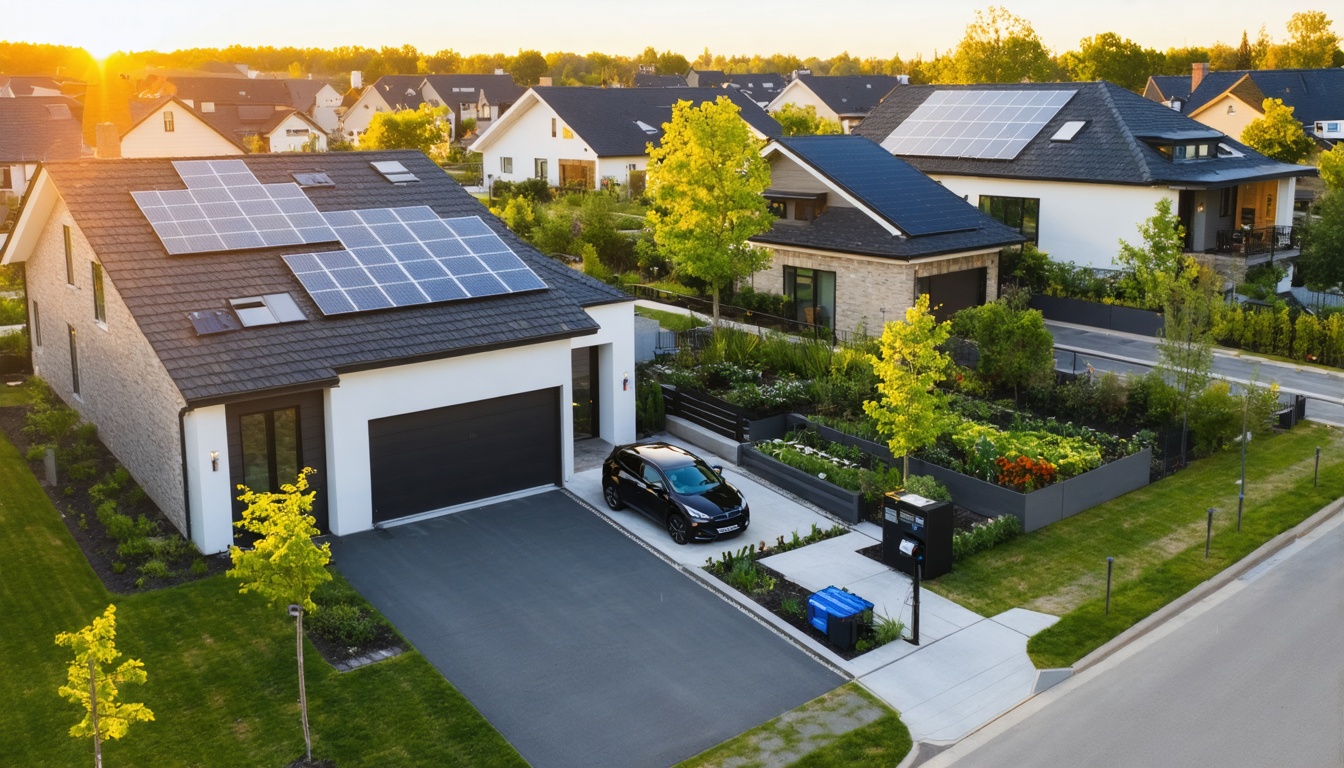
 How Solar Energy Helps Households Build a More Sustainable FutureSolar energy presents a viable option for homeowners seeking to improve the sustainability of their residences. This renewable energy source can lead to reduced utility bills and a decreased carbon footprint, thereby contributing to environmental protection. Additionally, solar power can enhance energy independence by allowing homeowners to generate their own electricity. Recent advancements in solar technology have made systems more efficient and accessible, while various governmental incentives and rebates are available to reduce installation costs. These developments are noteworthy for homeowners who may be considering the transition to solar energy. It is essential for homeowners to assess their energy needs, the suitability of their property for solar installations, and the availability of financial incentives in their region. Evaluating the costs, benefits, and long-term implications of solar energy adoption is crucial for making informed decisions regarding home sustainability. The Role of Solar Power in Advancing Household SustainabilitySolar power has emerged as a practical option for households seeking to reduce their environmental impact, particularly as traditional energy sources remain prevalent. The adoption of solar panels enables the generation of electricity from solar cells, which do not produce harmful pollutants and can contribute to a reduction in greenhouse gas emissions. By utilizing solar photovoltaic technology, homeowners can access cleaner energy, potentially reducing their reliance on volatile global fuel prices. Financial incentives, including tax credits and rebates, play a significant role in addressing the initial costs of solar panel installation. These incentives can enhance the affordability of solar energy solutions for a wider range of households. Additionally, surplus electricity generated from solar panels can be used to power electric vehicles or be returned to the electrical grid, offering advantages to both individual homeowners and the broader community. The sustainability of solar panel production is also being improved through advancements in recycling solutions and ongoing technological innovations. Overall, solar power represents a feasible approach to promoting household sustainability, positively influencing both individual energy consumption and broader environmental objectives. Key Technological Developments Enhancing Residential Solar EnergyThe adoption of solar energy in residential settings has been supported by several technological advancements that enhance both efficiency and accessibility. Contemporary photovoltaic (PV) panels have been engineered to achieve higher conversion efficiencies, allowing them to generate more electricity from the same amount of sunlight while reducing carbon emissions. This improvement is crucial for homeowners seeking to maximize the performance of their solar energy systems. Advancements in battery storage technology have further enabled homeowners to accumulate surplus solar energy for later use. This feature reduces dependence on the electric grid and fossil fuel sources, especially during periods when sunlight is insufficient. Moreover, building-integrated photovoltaics (BIPV) present solutions that combine traditional building materials with solar energy generation, thereby serving dual functionalities. Another notable technological development is the emergence of multi-junction solar cells, which provide higher energy conversion rates compared to conventional single-junction cells. This advancement has the potential to enhance overall energy output throughout the lifespan of solar installations. Improvements in installation practices and materials have also contributed to reducing the overall costs of solar systems. Additionally, progress in panel recycling technologies may alleviate environmental impacts and stabilize market prices over time. In conclusion, the integration of these technologies bolsters the trend towards clean energy adoption among residential users, thereby contributing to a more sustainable energy landscape. Nonetheless, the success and efficiency of these systems remain contingent on factors such as local regulations, market dynamics, and the specific circumstances of each residential installation. Economic Advantages and Long-Term Financial Benefits for HomeownersThe initial investment in solar panels can seem substantial; however, homeowners may experience notable long-term economic advantages. Adopting solar photovoltaic technology enables homeowners to generate their own electricity, thereby reducing reliance on traditional energy sources and minimizing exposure to fluctuations in energy prices. Federal tax credits and various local incentives serve to decrease the overall installation costs, making solar energy a more accessible option. In addition, net metering programs enable homeowners to sell surplus electricity back to the grid, potentially generating supplementary income that can offset energy expenses. Furthermore, studies indicate that properties with solar energy systems often see an increase in market value, suggesting that the installation of solar panels can be a sound financial decision with significant long-term benefits. Overall, the rationale for investing in solar energy systems is bolstered by government incentives and observable market trends that favor renewable energy solutions. Environmental Impacts and Emission Reduction from Home Solar SystemsThe installation of home solar systems is a strategy aimed at reducing emissions linked to conventional energy sources. Solar panels, via solar cells, generate electricity without producing emissions during their operational phase, which can lead to a reduction in a household's environmental footprint. Compared to fossil fuel-based energy generation, solar photovoltaic panels provide a renewable means of powering homes, thereby aiding in the decrease of greenhouse gas emissions and the enhancement of air quality. The implementation of solar technology may also help homeowners stabilize energy costs, as it can cushion the impacts of price fluctuations commonly associated with traditional energy sources. Additionally, integrating solar energy systems aligns with global initiatives aimed at addressing climate change. Various incentives, such as installation programs and tax credits, can improve the effectiveness of these systems by optimizing solar energy collection. Homeowners have the option to contribute surplus electricity back to the energy grid, a practice that fosters sustainable energy development and can enhance the overall resilience of the energy infrastructure. It is also critical to evaluate the life cycle of solar panels, which includes considerations related to recycling and disposal. Acknowledging these aspects can provide a more nuanced understanding of the environmental effects of solar technology. In summary, the adoption of home solar systems offers several advantages that have implications for wider environmental and economic objectives. Overcoming Challenges in Residential Solar AdoptionThe adoption of residential solar systems involves several practical challenges that homeowners should carefully evaluate. One major obstacle is the high installation costs associated with solar panels and photovoltaic technology, which can deter potential buyers, despite the availability of tax incentives. Additionally, the prices of photovoltaic panels can vary due to market dynamics, complicating purchase decisions. Another significant factor is the inconsistency in electricity generation. Solar energy production relies on the availability of sunlight, which can differ based on geographic location and seasonal changes. This variability affects the reliability of solar systems as a stable power source. Additionally, the challenge of storing excess energy generated during sunny periods for use at night or during cloudy conditions limits the overall effectiveness of solar energy utilization. While solar cells generate zero emissions and can contribute to the reduction of greenhouse gases when compared to fossil fuels, the recycling process for solar panels and the pursuit of environmentally sustainable solutions require ongoing advancements. Homeowners must consider these factors carefully when contemplating the installation of solar systems. For further information or assistance, please do not hesitate to reach out. ConclusionAdopting solar energy can contribute to a more sustainable future for households and communities. Recent advancements in solar technology have made it more accessible and cost-effective, leading to potential reductions in utility costs and increased energy independence. By utilizing solar power, households can decrease their reliance on fossil fuels, thereby minimizing their environmental footprint. The implementation of solar energy systems also has implications for air quality, as reduced fossil fuel consumption can lead to lower emissions of pollutants. Additionally, these systems can enhance local resilience by providing a reliable energy source during outages or disruptions. Investing in solar energy can be a strategic move toward long-term energy security and environmental responsibility. While there are upfront costs associated with installation, various incentives and financing options are available that can mitigate these expenses over time. Overall, integrating solar energy into household practices can support broader sustainability goals while offering practical benefits.
|